
The Devil’s Concubine
On Bram Stoker’s Dracula (Francis Ford Coppola, 1992)

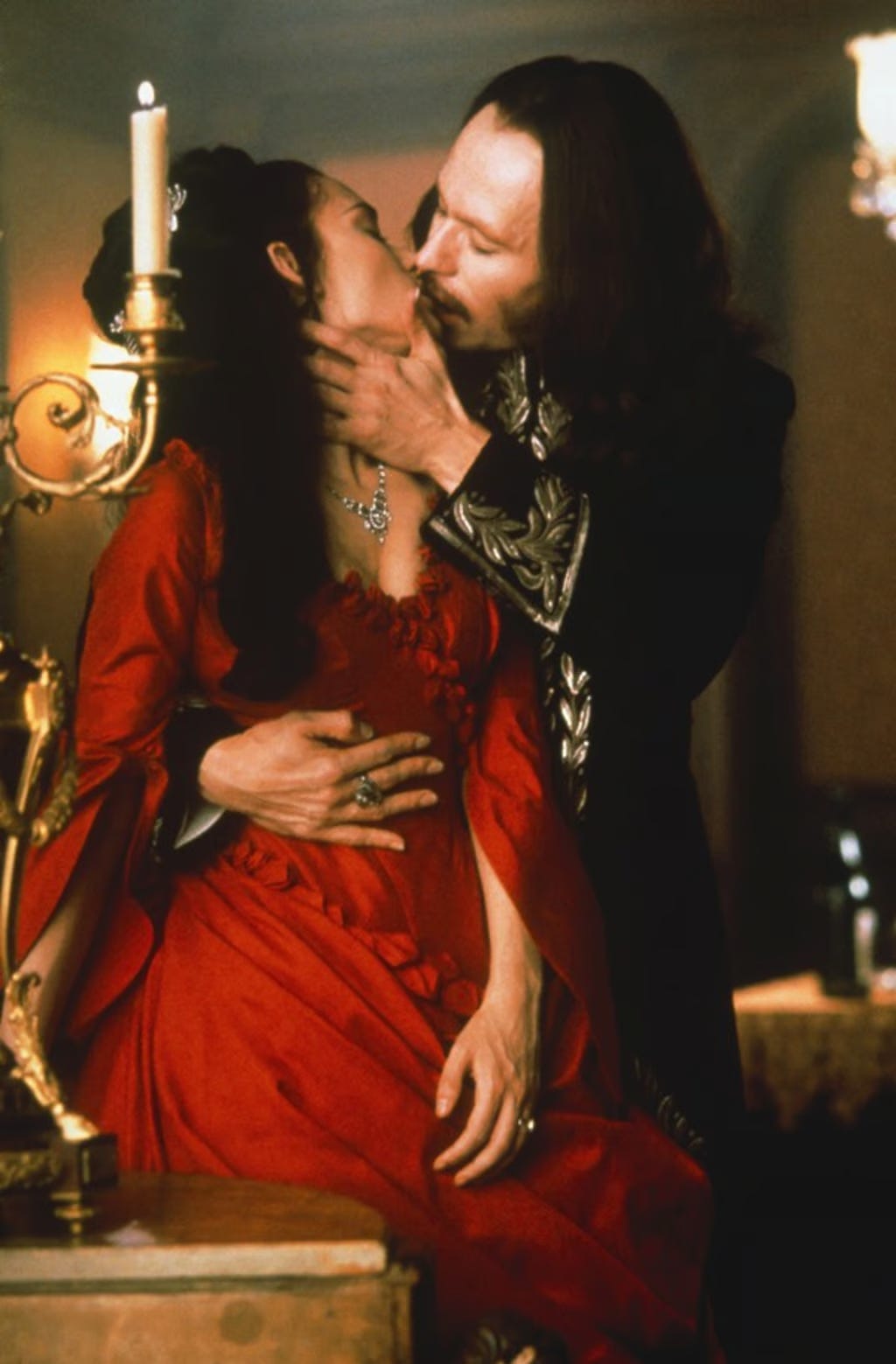
So, I for sure queued to see this when it opened, the year I turned seventeen. I officially had a laminated photo of Gary Oldman in his grey topcoat on my bedroom wall, and I coveted Winona Ryder’s red gown. I was quite desperate (still am?) to be taken on a secret absinthe date. That said, this movie’s costumes have much to answer for (I see you, lazy goth dudes.)
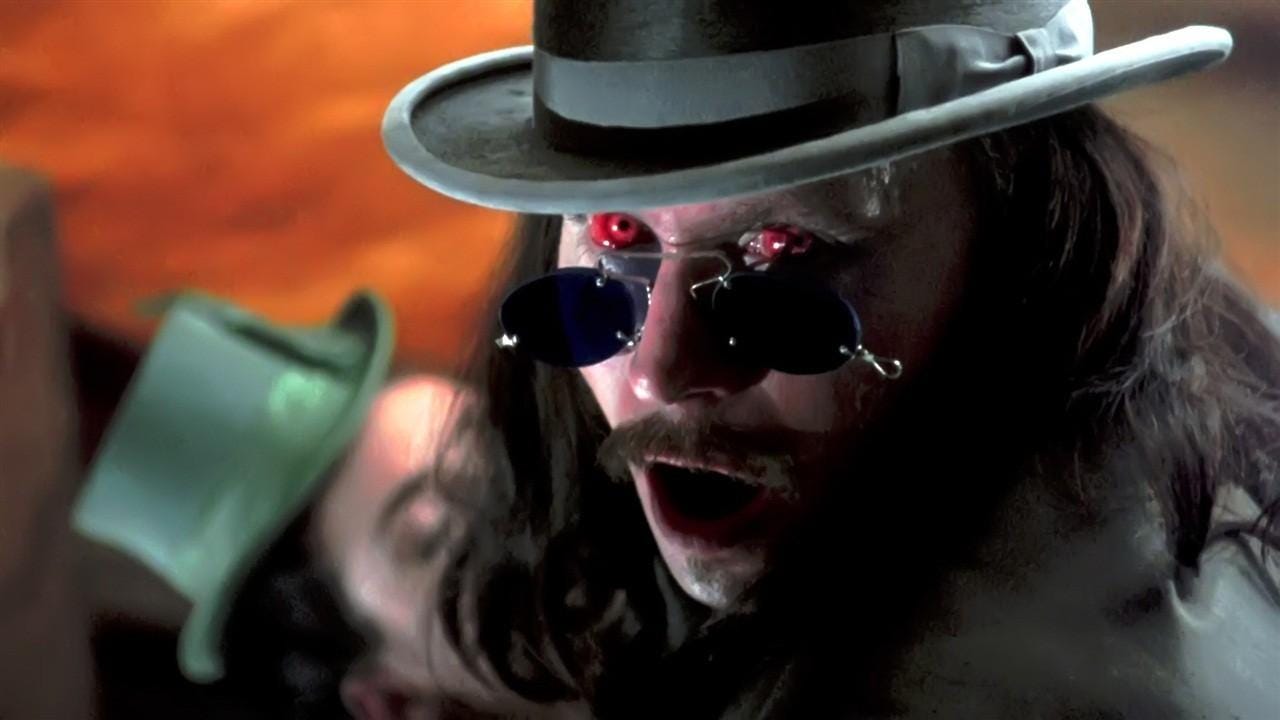
I like this version of the vampire as heretic, driven by grief and love to live forever. This Dracula smells of blood, stone, leather armour, sweat, and incense. Fittingly, I have just ordered a set of soaps that includes the aromas of oud and patchouli, alongside a black soap simply named “opium” which I was powerless to resist.
Materially different from any of the Nosferatus (Murnau, Herzog, Eggers), Coppola’s Dracula continues to exert a certain influence, though it also proves the rule established by Ken Gelder in New Vampire Cinema that all vampire films are citational aka “it is almost impossible for one vampire film not to cite or invoke another vampire film or a vampire novel." (Ken Gelder, New Vampire Cinema. BFI/Palgrave Macmillan. 2012. p.30). Here, we have the stylistic incorporation of innumerable previous draculas, from the shadowy claw hands of Nosferatu, to lines like “I never drink…wine” and “the children of the night, what sweet music they make.” One of the surprising ways in which this film has aged well is that Dracula is an evil landlord, buying up property around London for purposes best known to himself but which Jonathan Harker speculates may well be intended to raise the property values.
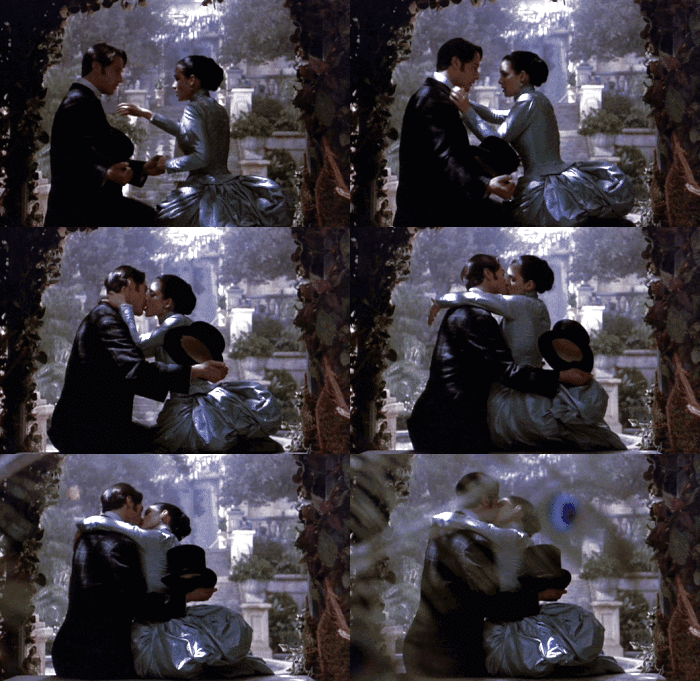
While Keanu Reeves cannot do an English accent, he is correctly pretty in the way Jonathan Harker needs to be—in fact, I now realise he has….a certain golden retriever energy and this is why Mina wants to make out with him before he goes on his work trip. Also, a moment for that peacock feather fan transition—exquisite!!!
The Carpathians smell of wild herbs, sacred oils, tallow, and the hint of snow in the air. Gary Oldman’s Dracula smells better than Bill Skarsgard’s Count Orlok, but only just. His long red gown and hairy palms would carry the aromas of rose pomade, white face powder, and wood smoke. The dining room of Dracula’s castle smells deliciously of burnished roast chicken, and crackling pine logs.
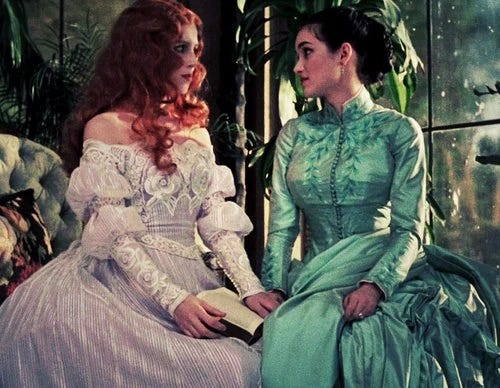
My deepest love may well be reserved for Lucy Westenra (Sadie Frost), in her seemingly parentless house filled with hothouse palms, and a salaciously illustrated edition of The Arabian Nights. She appears dressed in white lace, but with her unbound red hair and outrageously flirtaeous manner, she is a model to us all; in other words, a cock destroyer of the first order. She enjoys the attentions of three separate men and while she does become engaged to Arthur (Carey Elwes), it is clear that this will never content her.
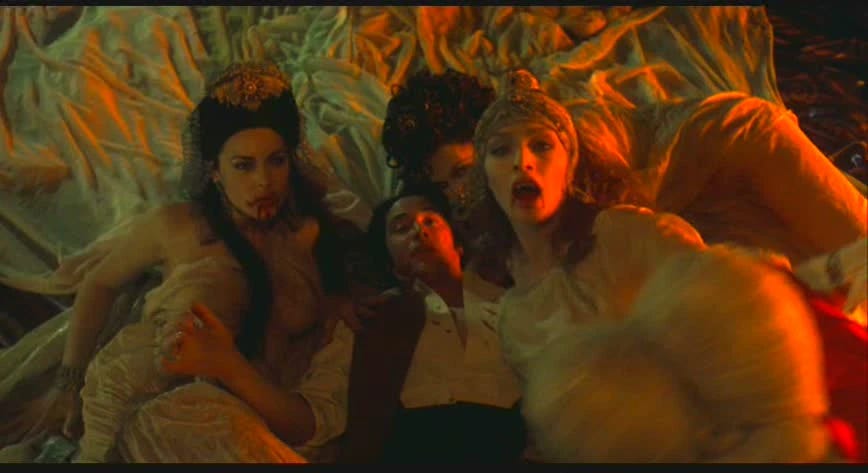
Meanwhile, back in Transylvania, Dracula is licking the blood off Jonathan’s straight razor and I imagine Mr Harker tastes like plums poached in red wine. Wandering in the castle, he opens and smells oils and perfumes contained in an old dressing case. Then, what sounds like Mina’s voice beckons him to recline in some draperies, where Dracula’s brides (Monica Belluci is exceptionally stunning here alongside some magnificent movement work from Florina Kendrick and Micheala Bercu) proceed to conduct one of the horniest moresomes of mainstream cinema. There are snakes, groin biting, and plenty of moaning.
When Lucy accepts Arthur’s proposal, she and Mina frolic in the rain and make out in the lavish back garden, and while this petrichor-infused intimacy is never explained it does cement Lucy as an unrepentant libertine after my own heart. Mina later watches Lucy sleepwalking through the garden in a superb red negligee, before getting railed on a marble bench by the wolf man incarnation of Dracula. After being awakened from her trance, Lucy says she can taste his blood in her mouth.


While it would be hard to top this moment for sheer sumptuous sluttery, we next see Lucy clad in a glittering white Fortuny gown, with her vampire teeth emerging as she tries to drain her Texan suitor Quincy. Lucy’s bedroom, which opens onto the garden, might be filled with forced bulbs like hyacinth or narcissus, or vases of the most potent tea roses, to try and cover lingering aroma of decay and the dirt of the grave. The bulbs of garlic Van Helsing installs are easily pushed aside as Lucy continues to writhe and moan in her role as “the devil’s concubine.”
Dracula in his guise as Euro-dandy Prince Vlad boldly picks up Mina in the street, and rescues her from a loosed white wolf. Their leather gloves entwine in the wolf’s fur, and it is not long before we find these two in a private dining room, tasting absinthe “the green fairy” with its flavour of aniseed, sucking on sugar cubes, and admiring its changing opacity. In my view, Winona Ryder has never looked more beautiful than she does here. When Mina breaks off her liaison to join Jonathan, she keeps the Prince’s white leather glove with her, as if she is the wooer and he the beloved.
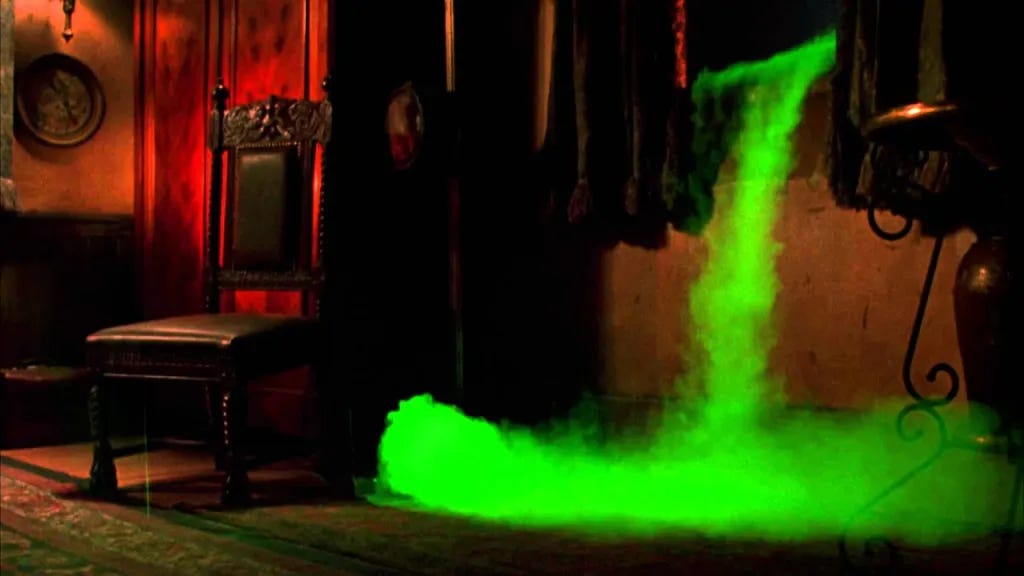
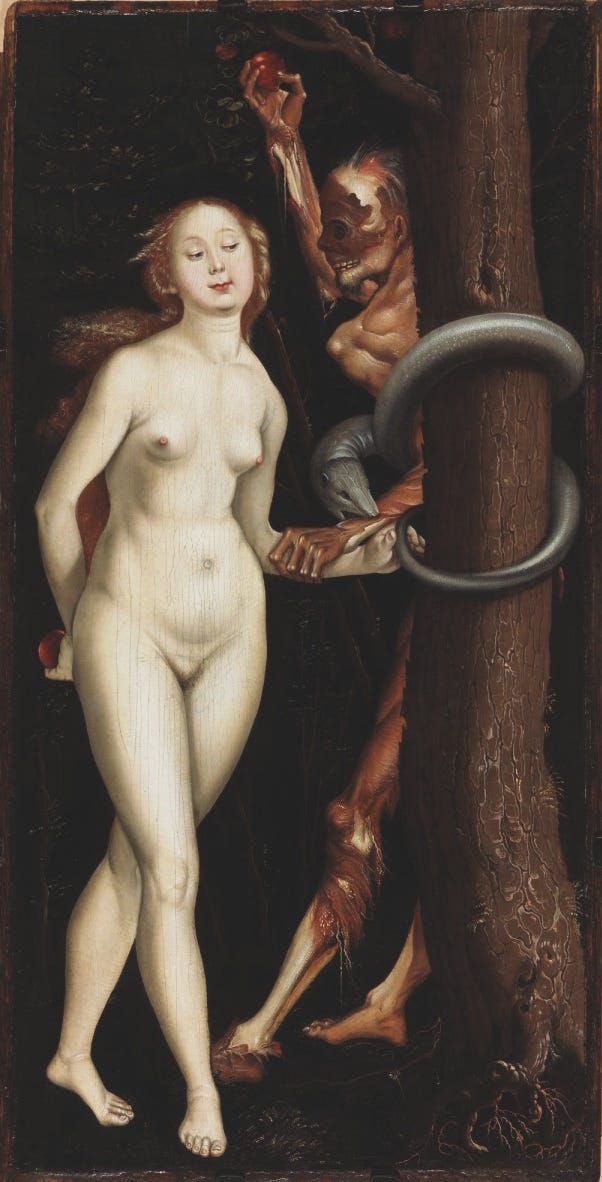
In an echo of their absinth-scented tryst, Dracula takes the form of green mist to infiltrate Carfax asylum in order to consummate his desire for Mina. He reveals his true nature, and it is Mina who declares her agency, commanding him to “take me away from all this death.” In this moment, Mina chooses to become Dracula’s immortal beloved, and to surrender to her desire. It is also Mina and not Van Helsing or Harker who finally destroys Dracula. Mina has been irrevocably altered by her brief time with him; she has been wanted in a way she did not expect, different from her feelings for Jonathan. In Eggers’ Nosferatu, this desire for desire destroys Ellen but not before she has revealed a side of herself that is much closer to Lucy Westenra’s unbridled and unhinged desires. Mina too is also permitted to temporarily enjoy these taboo desires. In the end, both Mina and Ellen are configured as versions of Death and the Maiden, where temptation and forbidden desire are the forces of transformation.
Such great writing as always. And talking of great writing, James V. Hart who did the screenplay for "Dracula" also wrote the adapted scripts for "Hook" (1992), and the wonderful "Muppet Treasure Island" (1996), as well as "Contact" (1997), which is probably his best work by conventional standards. I like how all his screenplays were elaborated into baggy and excessive movies with strange, suspensive longeurs as the themes are worked out, which even applies to the Muppets movie. Prominent among those themes is the capture and incarceration of women -- Miss Piggy is memorably seduced and left hanging upside down above a ravine by Tim Curry -- although I suddenly really like the thought that "Dracula" is also, really, at heart, a puppet movie for kids.
Coppola´s Dracula is a dream... Oops sorry! A nightmare... Oh beauty!